Wi-Fi & Internet
How to Use Your Phone as a Hotspot for Your Laptop
Written by Free Tech Support Editorial Team · Updated
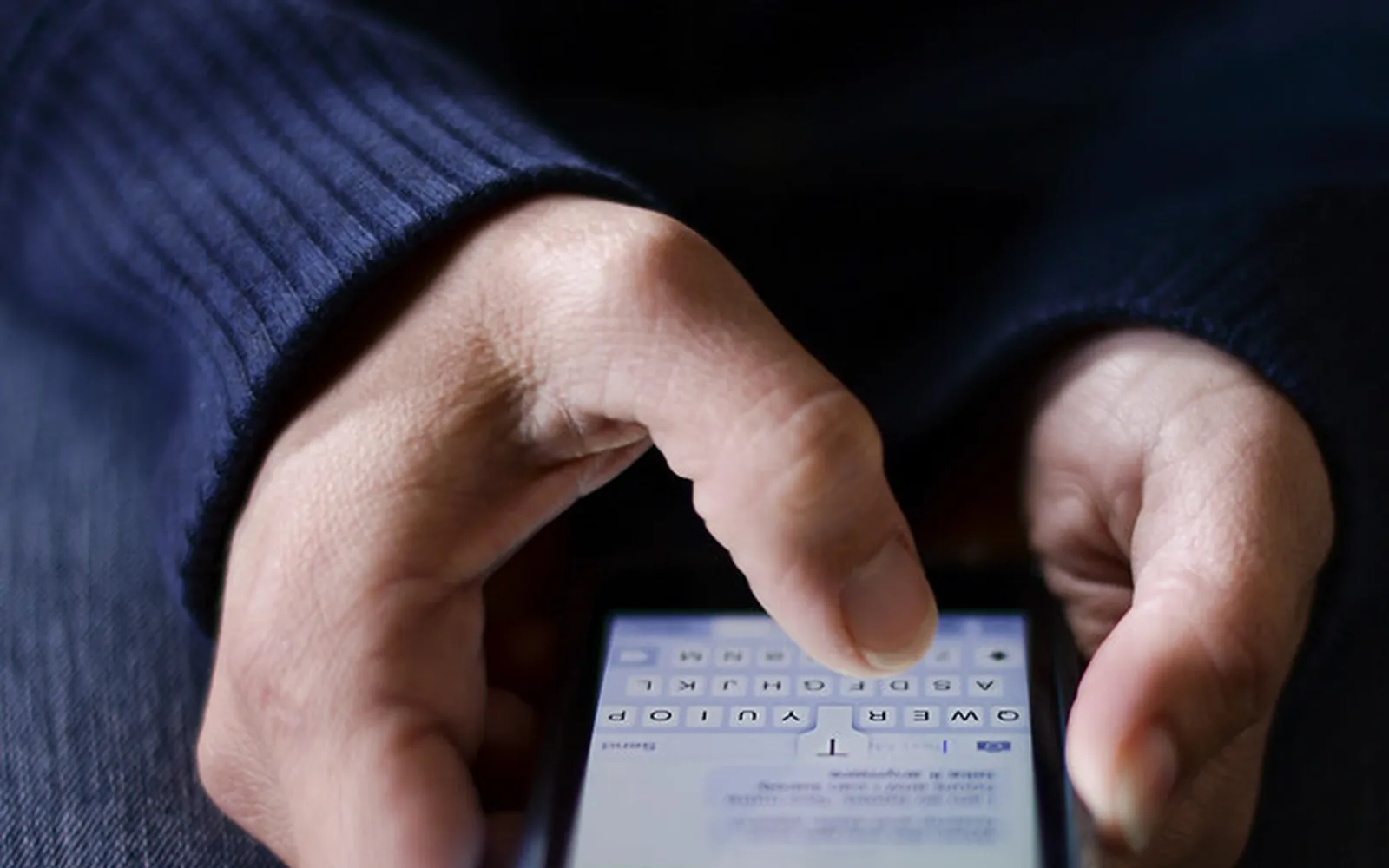
Home internet down, working from a cafe with unusable Wi-Fi, or travelling with a laptop? If your phone has mobile data, it can share that connection. This guide shows how to use your phone as a hotspot for a laptop with an iPhone or Android phone, the three ways to connect (Wi-Fi, USB and Bluetooth), how to stop the laptop burning through your data, and what to do when the laptop cannot see or use the hotspot.
This is an independent guide, not affiliated with Apple, Google, Samsung, Microsoft or any carrier.
Before you start: check your plan
Hotspot use (also called tethering) depends on your carrier and plan. Some plans include it, some limit how much hotspot data you can use or slow it down after a set amount, and some charge extra. Apple’s own help page notes that Personal Hotspot requires a carrier that supports it and that additional fees may apply. Check your carrier’s app or account page before relying on a hotspot for a big download or a day of work.
Turn on the hotspot on an iPhone
- Open Settings and tap Personal Hotspot. On some versions it is under Settings > Cellular > Personal Hotspot.
- Turn on Allow Others to Join.
- Note the Wi-Fi Password. Tap it to change it; Apple requires at least eight characters.
- Stay on this screen until the laptop connects. An iPhone hotspot is easiest to find while the Personal Hotspot screen is open.
If Personal Hotspot is missing or dimmed, check that Cellular Data is turned on in Settings > Cellular. The hotspot’s network name is the iPhone’s name, which you can change in Settings > General > About > Name.
A Mac or iPad signed in to the same Apple Account can use Instant Hotspot and join with one click from its Wi-Fi menu, without typing the password.
Turn on the hotspot on an Android phone
- Open Settings > Network & internet > Hotspot & tethering (on Samsung phones: Settings > Connections > Mobile Hotspot and Tethering).
- Tap Wi-Fi hotspot (or Mobile Hotspot) and switch it on.
- Open the hotspot settings to see or change the hotspot name and password. Keep the security set to WPA2 or WPA3 and never leave the hotspot open with no password.
You can also add a hotspot tile to Quick Settings by swiping down from the top of the screen, which makes it one tap next time. Menu names differ slightly between phone makers.
Connect the laptop
Over Wi-Fi (easiest)
On Windows 11, select the network icon at the bottom right of the taskbar, open the Wi-Fi list, choose your phone’s hotspot name and enter the password. On a Mac, use the Wi-Fi menu in the menu bar or Control Center.
Over USB (steadiest, and charges the phone)
- Android: connect the phone to the laptop with a USB cable, then go to Settings > Network & internet > Hotspot & tethering and turn on USB tethering. Windows sets up a wired connection automatically.
- iPhone: turn on Allow Others to Join, then connect the cable. On a Windows PC, Apple says the latest version of Apple Devices or iTunes for Windows must be installed first. Tap Trust on the iPhone if asked.
USB tethering avoids Wi-Fi interference and keeps the phone charged, which makes it the best choice for long sessions.
Over Bluetooth (slowest, saves battery)
Pair the phone with the laptop in Settings > Bluetooth & devices, then turn on Bluetooth tethering on Android, or keep Personal Hotspot on with the Bluetooth screen open on iPhone. It is fine for email and light browsing but too slow for video.
Stop the laptop using up your data
Laptops behave as if they are on unlimited home broadband: they download updates, sync OneDrive or iCloud files, and play videos in high quality. To keep data use down:
- In Windows 11, go to Settings > Network & internet > Wi-Fi, open the hotspot’s properties and turn on Metered connection. Windows then holds back many updates and some background downloads on that network. Microsoft explains how metered connections work in the source below.
- Pause cloud syncing in OneDrive, Dropbox or similar apps while on the hotspot.
- Lower video quality in streaming sites and video-call apps.
- Watch the data counter on your phone (Settings > Cellular on iPhone, or the data usage section of Network settings on Android).
Our guides to pausing Windows 11 updates and testing your internet speed help here too.
If the laptop cannot see or use the hotspot
- iPhone hotspot not in the list: keep the Personal Hotspot screen open and turn on Maximize Compatibility, which helps older laptops connect. Turn Allow Others to Join off and on again.
- Android hotspot not visible: in the hotspot settings, switch the band to 2.4 GHz if the laptop’s Wi-Fi adapter does not support the band the phone is using. Our 2.4 GHz vs 5 GHz guide explains why.
- Connected but no internet: check that the phone itself can load a web page on mobile data; if not, see mobile data not working. Then restart both devices.
- Laptop Wi-Fi problems in general: if the laptop cannot join any network, see Wi-Fi works on phone but not laptop and Wi-Fi keeps disconnecting.
- Hotspot keeps turning off: many phones switch the hotspot off when nothing is connected for a while, and battery saver modes can stop it. Plug the phone in and check the hotspot’s timeout setting.
Hotspot or a separate mobile hotspot device?
If you often work away from home, you may wonder whether a dedicated mobile hotspot device (a small battery-powered router with its own SIM) is better than using your phone. The phone is free to use if your plan allows it and you always carry it, but it drains the phone’s battery and calls can interrupt the connection on some networks. A separate device keeps your phone free and can serve several laptops, but it needs its own data plan. For occasional use, the phone is usually enough; compare plans with your carrier if you need it every day.
Battery and safety tips
A hotspot drains the battery quickly, so plug the phone in or use USB tethering for long sessions. Use a strong hotspot password, do not share it with strangers, and turn the hotspot off when you are done so other devices do not connect and use your data. A personal hotspot with a strong password is generally a safer choice than an open public network; see how to secure your home Wi-Fi for the same principles at home.
More connection guides are in the Wi-Fi and internet section.
Frequently asked questions
How do I turn on the hotspot on my iPhone?
Open Settings and tap Personal Hotspot (or Cellular, then Personal Hotspot), then turn on Allow Others to Join. The Wi-Fi password is shown on the same screen.
Why is Personal Hotspot missing or greyed out?
Mobile data must be turned on, and your carrier must support hotspot on your plan. Apple notes that additional fees may apply and that availability depends on the carrier.
Is USB tethering better than Wi-Fi hotspot?
Often, yes. A USB cable charges the phone at the same time and usually gives a steadier connection. Wi-Fi is more convenient and can serve several devices.
How much data does a laptop use on a hotspot?
Much more than a phone, because laptops download updates, sync cloud files and load full desktop websites. Video calls and streaming use the most. Set the connection as metered and watch the data counter on your phone.
Is a phone hotspot safe to use?
Yes, if it has a strong password. Your phone's hotspot uses Wi-Fi encryption, and it is generally safer than an open public Wi-Fi network. Turn it off when you are finished.
Sources
Free Tech Support Editorial Team
Editorial team
The Free Tech Support editors write and update these guides from the official documentation of Microsoft, Apple, Google and device makers. We are an independent site with no phone line and no paid support service.